Anthropic wants to stop developers from using Claude Code to copy existing games. The concern is understandable. But a broad restriction can also obstruct authorized remakes and legitimate development. A coding assistant should be able to tell the difference.
Why Anthropic’s restrictions on game cloning go too far#
A developer hired to rebuild a game should be able to use a coding assistant without arguing with it about whether the project deserves to exist.
That is the problem with Anthropic’s new restrictions on game recreation.
On October 30, Game Developer reported that Anthropic had changed the instructions for Claude Code running on Opus 5.5 to discourage recreations of specific existing games. The reported rule applies even when a recreation is renamed or described as original.
Anthropic says original games, genre games, and projects using a developer’s own designs and assets should continue to work. It has also invited developers to report refusals involving their own work. Those qualifications matter. This is not a ban on making games.
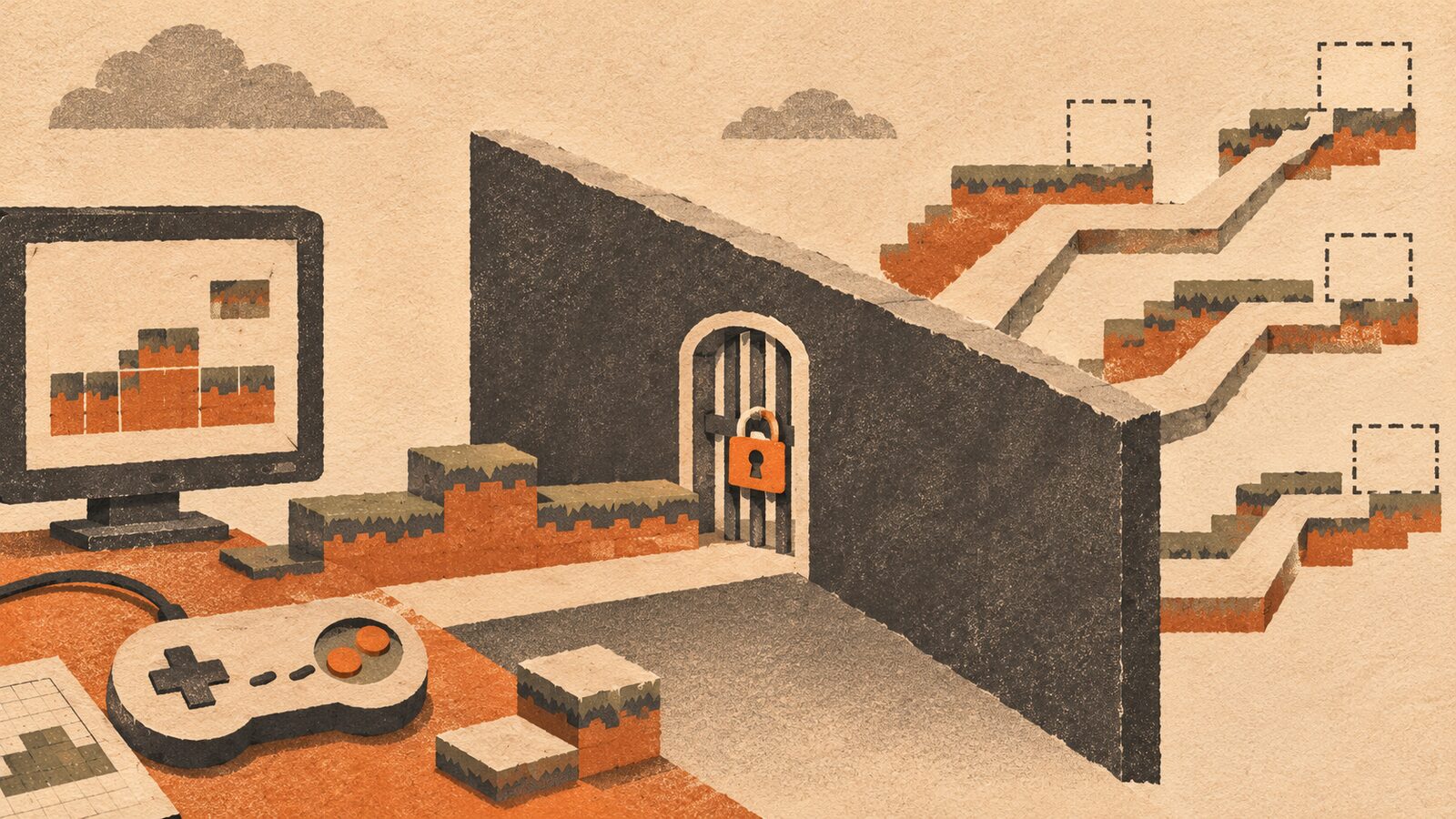
Still, the restriction leaves a difficult question unanswered: what happens when recreating an existing game is exactly what a developer is authorized to do?
A studio might commission a remake. A rights holder might hire an outside team to port an older title. A developer might rebuild their own game after losing the original source code. In each case, the request could look much like one from someone copying a game without permission.
The prompt alone does not establish who owns the work or what rights the developer holds. A rule centered on whether the game already exists risks treating that missing context as a reason to refuse.
The concern behind the policy is real. Game developers invest years in their work. Cheap copies can exploit that investment, confuse players, and make it harder for the original creators to earn a living. Faster development tools make that problem more urgent.
But a useful response needs to distinguish between those copies and legitimate projects. Renaming a copied game does not resolve an infringement problem. Equally, identifying an existing game does not establish one.
That distinction matters beyond games.
Software development routinely involves building something that works like something else. Teams replace aging systems, implement compatible interfaces, and create alternatives to established products. Customers often need continuity: the same file formats, familiar behavior, or compatibility with tools they already use.
Those requirements should not become suspicious merely because an AI assistant makes the work easier.
Games are not interchangeable with databases or operating systems. Their artwork, music, writing, and other creative elements raise their own questions. Even so, the broader product decision deserves scrutiny. If resemblance to an existing product becomes sufficient grounds for refusal, developers will face uncertainty whenever they build a replacement or competing implementation.
Anthropic is entitled to set terms for its service. Developers are entitled to question whether those terms make it a dependable tool.
A professional coding assistant should provide a clear route for authorized work. Developers should be able to explain their ownership, license, or permission and have that context considered. When a refusal is mistaken, there should be a practical way to resolve it. An invitation to contact an employee is welcome, but teams need a process they can rely on.
The standard should be precise enough to protect creators while allowing legitimate development to proceed.
I want tools that help developers build within the rights they hold. That includes creating something new, improving an existing system, and rebuilding software they have permission to recreate.
Innovation should not require a second permission slip from the company supplying the coding assistant.